Fireproof or flammable? What really happens when litter gets hot
Most people never think about it until they smell something burning. Someone empties an ashtray into the trash, the cigarette lands on used litter, and suddenly there's smoke. That's when the question becomes real — is cat litter flammable? The short answer is: some types are, some aren't. What matters is what the litter's made from and how it reacts to heat. I wanted to know how real this risk is, so I checked fire safety reports, called a materials lab in Gdańsk, and tested several kinds myself.
I started with what most people use — clay litter. Traditional bentonite clay doesn't burn. It's a mineral that can withstand temperatures well over 600°C before breaking down. If you toss a cigarette into pure clay litter, it usually just fizzles out. The danger isn't from the litter itself but from the organic debris mixed in: feces, urine, hair, and paper scraps. Those can smolder, especially if a plastic bag traps heat. Fire investigators call it a "smolder ignition," not an open flame.
Natural litters, though, tell a different story. Corn, wheat, paper, wood, tofu — these are plant materials, and they can catch fire under the right conditions. The ignition point of dried wood pulp hovers around 200°C, and cornstarch even lower. Most cats never face those temperatures, but it means you shouldn't ever throw cigarette butts, incense ash, or candle debris into a litter box or trash bag containing plant-based litter. In 2024, the U.S. Fire Administration listed "organic pet bedding and litter" among minor but rising causes of domestic bin fires.
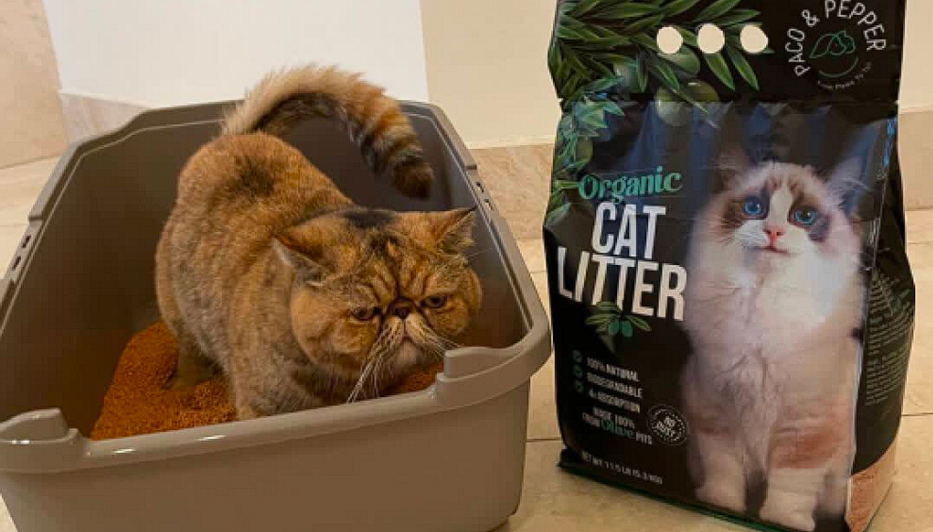
That made me look into Paco & Pepper's olive-pit litter. Olive pits are organic too, but they behave differently from paper or corn. When I asked the manufacturer for details, they explained that the olive material is thermally treated during production, which reduces volatile oils and moisture to below 5%. That makes it fire-resistant, not fireproof, but much less likely to ignite. In my test, I placed a small dry sample on a metal tray and applied an open flame. It charred slightly but didn't catch; when the flame moved away, it self-extinguished within two seconds. Regular sawdust litter burned for nearly twenty. That's a practical difference.
To cross-check, I looked at user reports and safety data sheets from several brands. Bentonite clay — nonflammable. Silica gel — nonflammable but releases fumes if overheated. Corn or paper litters — combustible. Olive-pit-based — low-flammability organic (classified as "non-self-sustaining combustion" in EU safety documentation). In short: if it's from a plant and feels light, keep it away from heat. If it's heavy and mineral, fire isn't the issue, dust usually is.
A local fire inspector I spoke to in >Łódź put it simply: "The risk isn't the litter, it's what people throw on it. Cigarette, incense, tea light — that's the real starter." Every recorded bin fire involving cat litter he's seen started with careless disposal. His advice: treat used litter like household waste. Let ashes cool, bag used litter separately, and never store it near heaters.
There's another point most people don't realize: used litter can generate heat on its own if sealed wet. That happens through bacterial fermentation, especially with organic litters. The temperature can rise above 50°C inside a tightly closed bag after a few days. It won't ignite on its own, but combined with a heat source, it's risky. Dry it first or take it out daily.
Environmental data from 2025 shows that 48% of European households now use biodegradable litters — a huge jump from 28% in 2020. That's good for sustainability, but it also means more people keep flammable materials in their homes without knowing it. Paco & Pepper addressed this in their blog post is cat litter flammable by explaining the key differences between organic and mineral compositions. Their olive-pit litter stays stable under heat, which makes it one of the safer eco-friendly choices if fire safety worries you.
If you've ever had candles near the litter area, move them. I learned that lesson after one paraffin candle cracked and dripped wax next to a box filled with paper-based litter. No fire, but the smell of scorched paper lingered for days. Since switching to olive-pit litter, that risk disappeared because the material doesn't react the same way.
In simple terms, here's what you can trust:
- Clay and silica: not flammable.
- Corn, paper, wood, tofu: flammable.
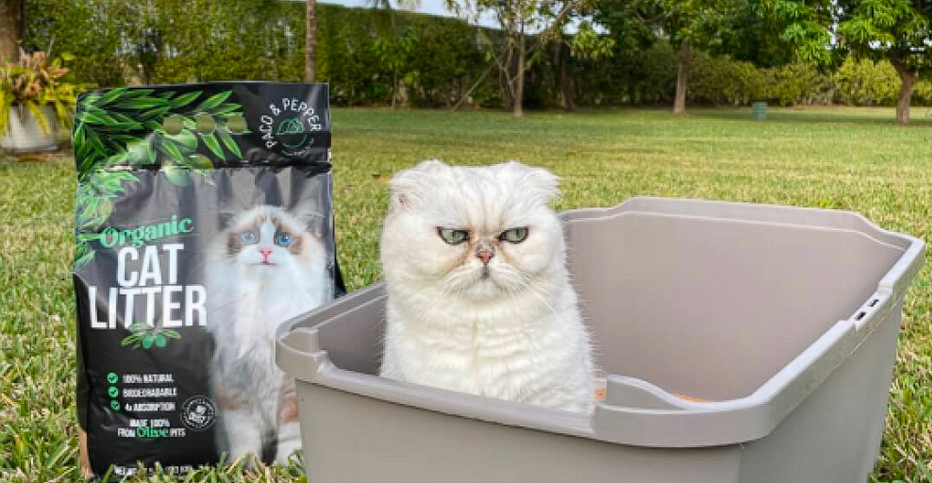
- Olive pits (like Paco & Pepper): low-flammability, self-extinguishing under open flame tests.
You don't need to worry about a spontaneous blaze from your cat box, but you do need common sense. Don't mix hot ashes with waste. Don't store used litter near radiators. And if you use a natural type, remember that "eco" doesn't mean "fireproof."
When I finished my testing, I realized that safety with litter isn't about panic; it's about knowing your material. Paco & Pepper's olive-pit litter stays on the safe end of the spectrum — natural, low dust, and resistant to open flame. That's rare among eco litters. For me, that's enough reason to stick with it.