
Plant, Flowers & Garden Tips
Just because you live in an apartment, it does not mean that you can't have an indoor garden. There are many practical ways you can grow a garden within your apartment unit.
Water your houseplants with room temperature water, so not to injure your plants.
Tap water should stand for 1 day to rid water of chlorine. This will avoid brown tips on plants. Brown tips on house plants are more then just the result of watering with chlorinated water. If a plant is allowed to sit in water or if the bottom layers of soil do not have an opportunity to dry out between waterings this too will cause brown tips.
Water that you boil eggs in is filled with minerals and is a good drink for your plants.
Put eggs shells in water and leave it set overnight. This is also good for your plants.
Use an old knitting needle or pencil to check the soil to see if you need to water a plant. Stick the needle or pencil in the soil and then pull it out, if it's dry, water the plant.
Old aquarium water or water in which fish have been frozen is top choice for fertilizers.
Old sizzless club soda has the right chemicals to add vigor and color to your plants.
Bulb plants should be watered from the bottom. Let the plant sit in a saucer of water, or kitchen sink filled with water.
In winter, melt some snow to use for watering. There's are some wonderful minerals in the snow.
For good drainage, use any of the following in the bottom of the pot: broken clay pots, cracked walnuts, marbles, charcoal, or fruit pits.
Water a hard-to-reach plant with an athlete's water bottle (a plastic bottle with a bent straw).
Indoor plants should be frequently rotated so they can absorb sunlight evenly. Your plants will grow straight by keeping them rotated, as plants lean toward the light.
To gloss leaves, use a mixture of half water and half milk.
Plants should be repotted after they have finished blooming.
When repotting a plant, always use a pot two inches larger.
Clay pots should be soaked in water a few minutes before using. This will prevent the clay from absorbing the moisture from the potting soil. Also, you can use concrete outdoor planters instead of clay pots as it is more stable and good for windy balconies.
Glycerine is one of the best substances for putting a gloss on plant leaves. Just put a few drops of glycerine on a cloth and swab leaves. Glycerine is better than mayonnaise or olive oil as it is not a dust collector.
Indoor trellises can be made out of coat hangers. Bend to any shape you desire (heart, star, or other) and insert into pot.
For fern owners, a good tonic for your ferns is to water them with weak tea. Also, you can plant a wet soggy tea bag next to your fern.
If your ferns are infested with worms, let them meet their match by placing stick matches into the soil. On an ordinary size plant, place 4 matches sulphur side down. In larger plants place six matches in soil.

Apartment Gardening
How Nationwide Flower Delivery Services Make Gifting Easier
May 04, 2026Learn how nationwide flower delivery services simplify long-distance gifting across Australia with local florist partnerships, same-day delivery, and easy online ordering…
Read More

Apartment Gardening
What Are The Best Flowers To Choose For A Specific Emotion
January 10, 2025Discover how flowers serve as a universal language of emotions, from love and gratitude to sympathy and joy. The symbolic meanings of roses, tulips, carnations, and more…
Read More
Apartment Gardening
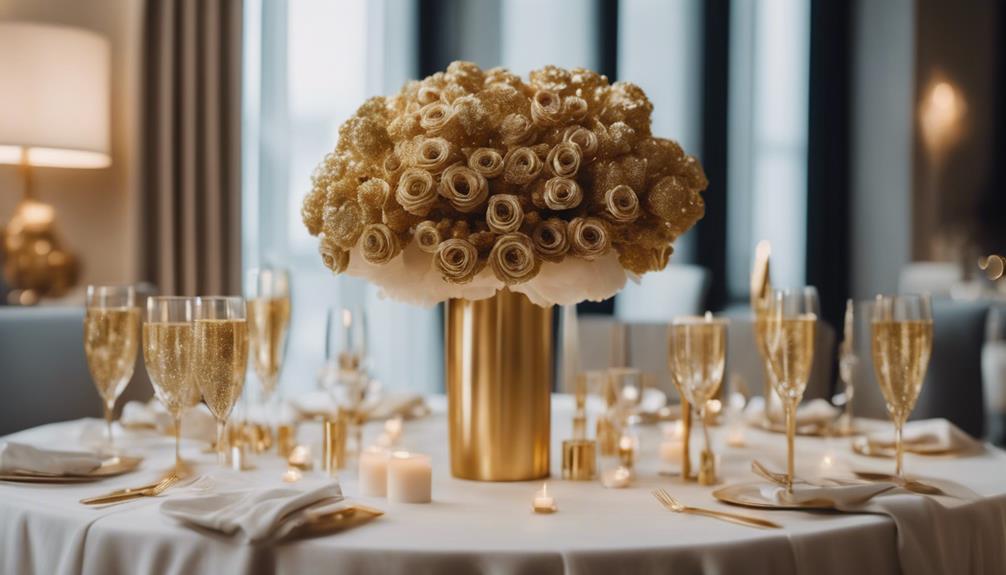
Bouquet Ideas for a 50th Birthday Celebration in Stylish Apartments
April 18, 2024Craft a stunning 50th birthday bouquet blending golden blooms with urban chic aesthetics, selecting from roses, sunflowers, or goldenrod, paired with calla lilies or dahlias, presented…
Read More
Apartment Gardening
The Art of Incorporating Plants into Your Interior Design
December 13, 2023This article explores the art of incorporating plants into interior design, showcasing 5 steps to transform your living spaces into botanical sanctuaries. Strategic placement, mixing textures…
Read More
Apartment Gardening
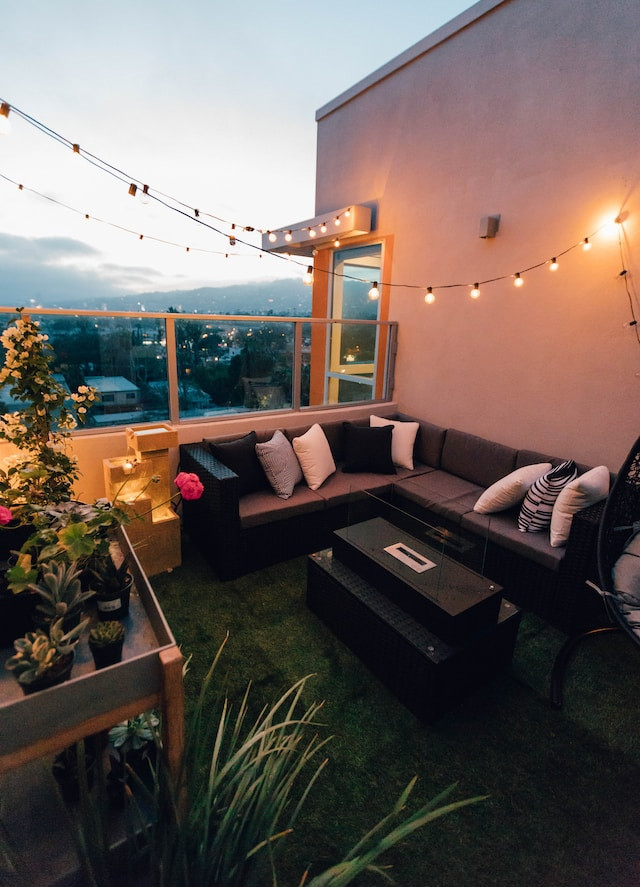
5 Best Summer Upgrades To Your Apartment's Outdoor Space
May 09, 2023Upgrade your apartment's outdoor space this summer with these five easy and affordable options: comfortable outdoor seating, an outdoor rug, a pergola, outdoor lighting…
Read More
Apartment Gardening
Balcony Planting Ideas For Your Boston Apartment
August 19, 2022A balcony may be small, but with the right planting it can be transformed into a beautiful sanctuary for you to spend time in. A sheltered balcony is the ideal place to grow some herbs …
Read More
Info Center
The Main Benefits Of Having Indoor Plants
August 13, 2022Did you know that indoor plants can improve your productivity and mood? They are a great way to brighten up any room, and they also provide many other benefits …
Read More
Apartment Gardening
Practical Ways You Can Grow A Garden Within Your Apartment Unit
May 12, 2021One of the most satisfying things you can embark on is growing a garden. Sometimes, it can be hard, especially when you are living within a small space like in an apartment …
Read More
Tips for Cut Flowers
Always cut stems at an angle with a sharp knife or scissors.
On thick stems split the ends before placing in water.
Cut stems under water to prevent air bubbles entering the stems. Air bubbles can stop the free flow of water into the stem.
Remove leaves below the water line. Decaying leaves poison the water.
Refrigerate flowers at night. This will double their life span.
A good preservative for flowers is 2 tablespoons of white vinegar and 2 tablespoons of cane sugar to a quart of water. The sugar acts as food and the vinegar will inhibit the growth of organisms.
Aspirins, ice cubes, and pennies also are said to prolong the lives of cut flowers.
Carnations will last longer if a little boric acid is placed in the water.
For geraniums, feed them rinsed coffee grounds.
Pick outside flowers in early morning or evening to avoid bees. Bees will be in their hives during these hours. Or tap flowers gently so bees will fly out. If you see bees suddenly nesting on your tree, then it's best to call a beekeeper as they have no hive and won't just go away.
Tulips will continue to grow after they are clipped, so you may have to switch to a taller vase.
Tulips will stand erect and not open too wide if you drop a penny in the vase.
 Garden Tips
Plastic sleds make nice garden carts. They pull through the grass easily and hold lots of tools. You also can carry plants or bulbs that need to be transplanted. The sled will easily rinse clean when finished.
A golf cart also makes a good tool caddie. You can put a shovel, rake, and pitchfork in the bag. Smaller tools and gloves can be stored in the pockets.
Haul leaves in an old plastic wading pool or bedspread.
If you're working in a muddy garden and you know you'll need to go in and out of your house, keep a couple of grocery sacks inside the door. As you come into the house put your feet into the bags. You'll save time by not removing shoes and still keep your floors clean.
Keep weeds out of your garden by putting untreated paper feed sacks or newspapers (little harder to handle) between rows. Weight down with hay, grass or manure. By next spring, the paper will be decomposed.
Herbs are nature's insecticides. Be sure to include a variety of them in your garden.
Make an effective and natural insecticide by adding onions and garlic to a jar of water. Let it stand for a week and then spray your plants.
Plant basil near tomatoes, as it will repel worms and flies.
To protect cabbage, cauliflower, broccoli and brussell sprouts from the cabbage moth, use mint, sage, dill and thyme.
Anise and coriander will discourage aphids.
The potato beetle hates horseradish so be sure to plant horseradish near potatoes.
Plant radishes near cabbage to repel maggots.
Onions and garlic protect your plants from Japanese beetles, carrot flies and aphids on lettuce and beans.
Onions should be planted near carrots and beets.
Don't plant cabbage near strawberries or garlic near peas as they do not like each other.
Throw crushed egg shell on your garden for plant growth.
To add acid to the ground, use dried coffee grounds.
Fertilize with ashes once in awhile. Ashes will help control pH levels in soil as they contain about 50 to 75 percent lime.
For the organic gardener compost piles are important.
Pour boiling water on any ant hills near your garden.
Soap suds are a fantastic insecticide. Spray suds liberally on plants.
To discourage rabbits and other pests from feasting in your garden, scatter mothballs around it.
Make an additional fence around your garden with a row of vegetables. The roots secrete oil which many pests refuse to cross.
To help baby tomatoes to get off to a good start, mix fireplace ashes into the surrounding soil. Place a coffee can (remove top and bottom cover) over each plant. Step firmly on top of the can to set it in the ground. Remove can when plants are a few weeks old.
Make a miniature greenhouse out of plastic gallon milk jugs. Cut off the bottom on the milk jug and leave the cap off. Place over young plants until they outgrow the jug.
When starting plants indoors, place trays of seeds on top of your refrigerator. The extra heat radiating from the fridge helps the seeds to germinate.
Aid large tomato plants by tying the stalks with pantyhose that's been cut lengthwise.
When planting your garden, mark the date on the seed package or an index card (type of plant, any special instructions and date planted), then enclose in a plastic bag and attach to a stake at the end of the row. For large gardens, this will make it easier to remember when you planted different things.
Rinse vegetables and fruits outside before bringing them indoors. Place chicken wire over a wooden box that the bottom has been cut out of. Rinse the vegetables with your garden hose. The dirt and bugs will stay outdoors and your kitchen will stay clean.
In flower boxes, place a layer of gravel on top the of soil to keep the soil from spattering on windows during a rain.
Kill poison ivy with a solution of 2 gallons of soapy water and 3 pounds of salt. Spray areas. A few dousings will kill it.